
Best Dog Food for Great Danes in 2026: Complete Nutrition Guide
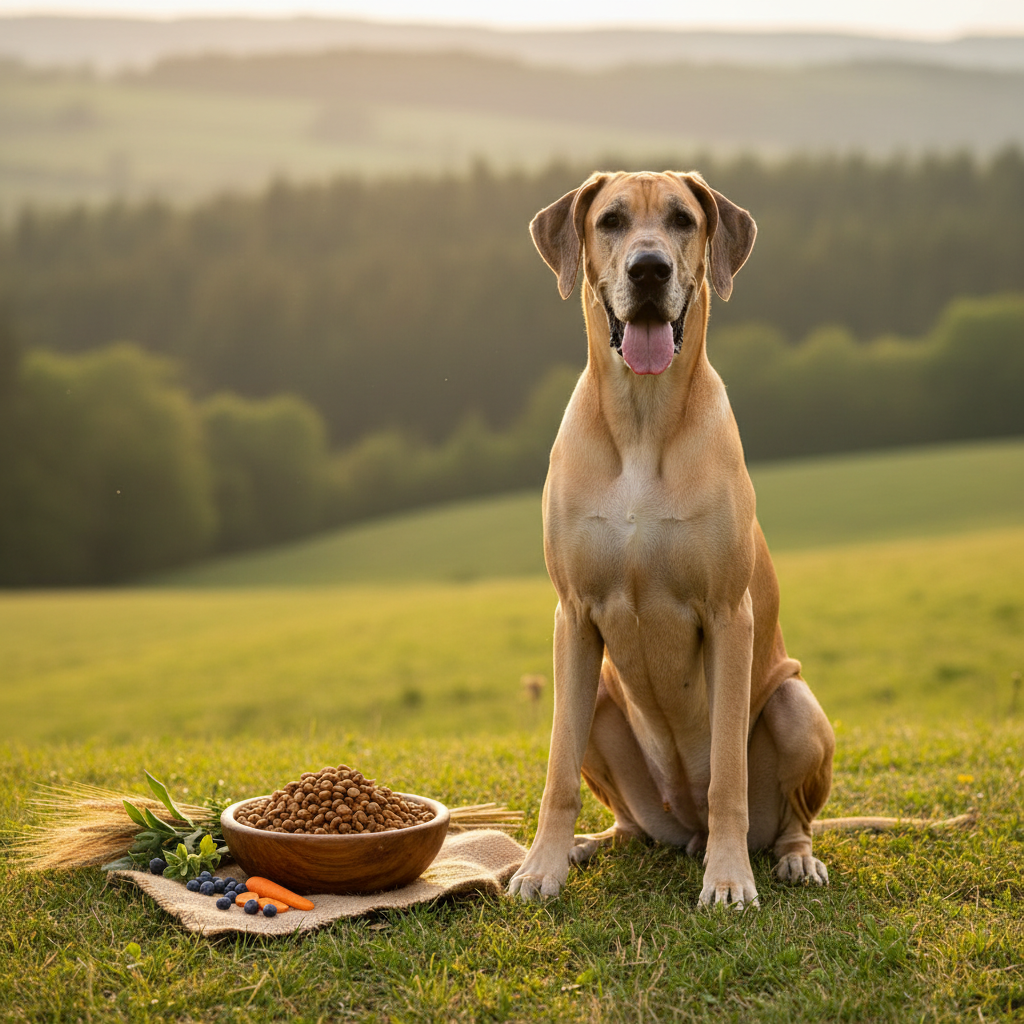
Best Dog Food for Great Danes in 2026: Complete Nutrition Guide
Bringing a magnificent Great Dane into your life is an incredible experience. These gentle giants, with their imposing stature and sweet dispositions, truly are a breed apart. But with their impressive size comes a unique set of nutritional needs that, if not met correctly, can lead to serious health issues. Choosing the best dog food for Great Danes isn't just about filling their bowl; it's about supporting their rapid growth, protecting their joints, and minimizing risks like bloat.
At Graze the Animals, we understand that navigating the world of dog food can be overwhelming. That's why we've put together this comprehensive guide to help you make informed decisions for your beloved Great Dane, ensuring they thrive for years to come. We'll dive deep into what makes a diet ideal for these majestic dogs, from puppyhood through their golden years.
Key Takeaways
- Controlled Growth is Crucial: Great Dane puppies need diets formulated for large/giant breeds to prevent overly rapid growth, which can lead to skeletal problems.
- Moderate Protein & Fat: Look for balanced protein and fat levels, avoiding excessively high amounts that can contribute to rapid growth in puppies.
- Joint Support is Essential: Ingredients like glucosamine, chondroitin, and omega-3 fatty acids are vital for protecting their large joints throughout their lives.
- Digestive Health & Bloat Prevention: Choose highly digestible foods and consider feeding smaller, more frequent meals to reduce the risk of bloat (GDV).
- Calcium-to-Phosphorus Ratio: Maintain an appropriate calcium-to-phosphorus ratio (ideally 1.1:1 to 1.5:1) for proper bone development, especially in puppies.
- Consult Your Vet: Always discuss your Great Dane's specific dietary needs with your veterinarian.
Understanding the Great Dane's Unique Nutritional Needs
Great Danes are truly in a league of their own when it comes to dietary requirements. As a giant breed, their bodies develop differently and faster than smaller dogs, and they face specific health challenges that nutrition can significantly impact. Let's break down the key areas we need to focus on when selecting the best dog food for Great Danes.
The Critical Growth Phase: Puppyhood to Adulthood
Great Dane puppies grow at an astonishing rate. They can go from a tiny bundle of fur to over 100 pounds in their first year! This rapid growth is a double-edged sword. While exciting to watch, it puts immense stress on their developing bones and joints. If a Great Dane puppy grows too quickly, it can lead to lifelong orthopedic problems such as:
- Hip and Elbow Dysplasia: Malformation of the hip and elbow joints.
- Osteochondritis Dissecans (OCD): A condition where cartilage separates from the bone.
- Panosteitis: Growing pains.
To mitigate these risks, Great Dane puppies require a diet specifically formulated for large or giant breed puppies. These formulas are designed to promote slow and steady growth, not rapid weight gain. They typically have:
- Lower Calorie Density: Compared to regular puppy foods, to prevent overfeeding.
- Controlled Calcium and Phosphorus Levels: An imbalanced calcium-to-phosphorus ratio can disrupt bone development. The ideal ratio is generally between 1.1:1 and 1.5:1, with calcium not exceeding 1.5% on a dry matter basis.
Protecting Those Mighty Joints
Even with controlled growth, Great Danes are susceptible to joint issues due to their sheer size and weight. As they age, conditions like arthritis can become prevalent. The best dog food for Great Danes will include ingredients that support joint health from an early age:
- Glucosamine and Chondroitin: These are natural compounds that help maintain cartilage health and elasticity.
- Omega-3 Fatty Acids (EPA and DHA): Found in fish oil, these have powerful anti-inflammatory properties that can reduce joint pain and improve mobility.
The Threat of Bloat (Gastric Dilatation-Volvulus - GDV)
Bloat is a life-threatening condition where the stomach fills with gas and often twists, cutting off blood supply. Great Danes are one of the breeds most predisposed to GDV due to their deep chests. While diet isn't the only factor, certain feeding practices and food characteristics can influence the risk:
- Food Particle Size: Some research suggests that larger kibble size may slow down eating and reduce air intake, potentially lowering bloat risk.
- Avoiding Rapid Eating: Fast eaters tend to swallow more air.
- No Exercise Before/After Meals: Allow at least an hour before and after eating for rest.
- Elevated Bowls: The science on elevated bowls is mixed; some studies suggest they might increase risk, while others show no effect. Consult your vet on this.
Energy Requirements and Metabolism
Despite their size, adult Great Danes don't necessarily have a super-high metabolism compared to some smaller, more active breeds. They require a diet that provides sustained energy without leading to excessive weight gain, which would further stress their joints. The best dog food for Great Danes will offer a balanced caloric intake appropriate for their activity level.
What to Look for in the Best Dog Food for Great Danes
Now that we understand their specific needs, let's break down the key components of a high-quality diet for your Great Dane.
1. High-Quality Protein Sources
Protein is essential for muscle development, repair, and overall body function. For Great Danes, look for diets where the first few ingredients are identifiable animal proteins. The source matters more than just the percentage.
Find the Perfect Food for Your Dog
Every dog is unique, and the best food depends on their breed, age, weight, health conditions, and preferences. Our personalized recommendation quiz [blocked] analyzes all these factors to find the top food matches for your specific dog.
Take the Quiz → [blocked] | Browse All Foods → [blocked]