
Best Dog Food for Doberman Pinschers in 2026: Complete Nutrition Guide
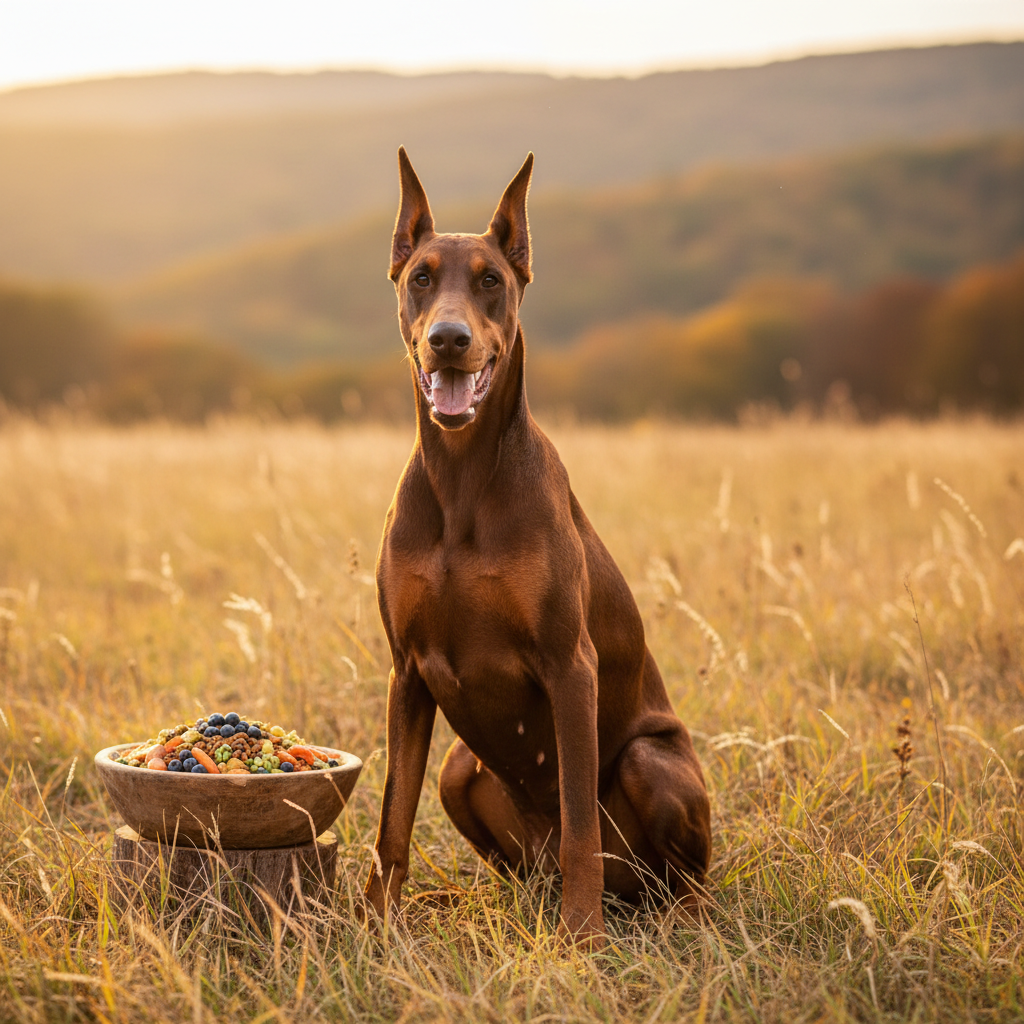
Best Dog Food for Doberman Pinschers in 2026: Complete Nutrition Guide
Bringing a Doberman Pinscher into your life means welcoming a loyal, intelligent, and incredibly athletic companion. These magnificent dogs are known for their sleek, powerful build, keen intelligence, and unwavering devotion. But with great power comes great responsibility – especially when it comes to their diet. Choosing the best dog food for Doberman Pinschers is crucial for supporting their robust health, maintaining their impressive physique, and ensuring they live a long, vibrant life. At Graze the Animals, we understand that every dog is unique, and Dobermans, with their specific breed characteristics and potential health predispositions, require a thoughtful approach to nutrition.
This comprehensive guide will walk you through everything you need to know about feeding your Doberman, from puppyhood to their golden years. We'll delve into their unique nutritional requirements, discuss common health concerns that diet can influence, and help you decipher dog food labels to make the most informed choices.
Key Takeaways
- High-Quality Protein: Dobermans are muscular and active, requiring a diet rich in high-quality animal protein (25-30% for adults, higher for puppies) to support muscle maintenance and energy.
- Balanced Fats: Essential fatty acids, especially Omega-3s (DHA and EPA), are vital for skin, coat, joint health, and cognitive function. Look for sources like fish oil or flaxseed.
- Complex Carbohydrates: Provide sustained energy for their active lifestyle. Whole grains, sweet potatoes, and legumes are good choices.
- Joint Support: Ingredients like glucosamine and chondroitin are beneficial for preventing or managing joint issues common in large breeds.
- Heart Health: Taurine and L-carnitine are particularly important for Dobermans due to their predisposition to Dilated Cardiomyopathy (DCM).
- Digestive Health: Prebiotics and probiotics can aid digestion and nutrient absorption, crucial for preventing bloat.
- Life Stage Specific: Adjust your Doberman's diet as they grow from a rapidly developing puppy to an active adult and then a senior dog with different needs.
- Avoid Fillers & Artificials: Steer clear of corn, wheat, soy, artificial colors, flavors, and preservatives.
- Portion Control: Dobermans are prone to bloat; feed multiple smaller meals rather than one large one.
Understanding Your Doberman Pinscher's Nutritional Needs
Doberman Pinschers are a medium-to-large breed, typically weighing between 60-100 pounds and standing 24-28 inches tall. They are known for their high energy levels, intelligence, and athletic build. These characteristics dictate a diet that is calorie-dense, nutrient-rich, and supports their active lifestyle while addressing potential breed-specific health concerns.
Protein: The Building Block for Muscle
As a highly muscular breed, Dobermans require a significant amount of high-quality animal protein. Protein is essential for muscle growth, repair, and maintenance, as well as for healthy skin, coat, and immune function. Look for dog foods where a named meat source (e.g., chicken, beef, lamb, salmon) is the first ingredient. For adult Dobermans, a minimum of 25-30% crude protein is generally recommended, with puppies needing even more for their rapid growth.
Fats: Fuel for Energy and Health
Dietary fats are a concentrated source of energy, crucial for an active breed like the Doberman. They also play a vital role in nutrient absorption, hormone production, and maintaining a healthy skin and coat. Look for healthy fats from sources like chicken fat, fish oil, flaxseed, or sunflower oil. Essential fatty acids, particularly Omega-3s (EPA and DHA), are incredibly important for cognitive function, reducing inflammation, and supporting joint health – a key consideration for large breeds. A crude fat content of 12-18% is often appropriate for adult Dobermans.
Carbohydrates: Sustained Energy
While protein and fat are primary energy sources, complex carbohydrates provide sustained energy for your Doberman's active day. They also offer essential fiber for digestive health. Opt for whole grains like brown rice, oats, or barley, or grain-free options such as sweet potatoes, peas, and lentils. Avoid excessive fillers like corn, wheat, and soy, which offer little nutritional value and can sometimes trigger sensitivities.
Vitamins and Minerals: The Micronutrient Powerhouses
A balanced diet for your Doberman should include a comprehensive array of vitamins and minerals. These micronutrients are vital for everything from bone health (calcium and phosphorus) and immune function (zinc, selenium, vitamins C and E) to energy metabolism and nerve function. A high-quality commercial dog food formulated for large breeds will typically have these in appropriate ratios.
Addressing Breed-Specific Health Concerns Through Diet
Doberman Pinschers, like many purebred dogs, are predisposed to certain health conditions. While diet cannot prevent all issues, it can play a significant role in supporting overall health and potentially mitigating the severity of some conditions.
Dilated Cardiomyopathy (DCM)
DCM is a serious heart condition prevalent in Dobermans. While genetics play a major role, nutritional factors, particularly deficiencies in taurine and L-carnitine, have been linked to some cases of DCM. Many high-quality dog foods formulated for Dobermans or large breeds will include these amino acids. If your Doberman is diagnosed with DCM, your veterinarian may recommend specific dietary changes or supplements.
Bloat (Gastric Dilatation-Volvulus - GDV)
Bloat is a life-threatening condition where the stomach fills with gas and can twist, cutting off blood supply. Large, deep-chested breeds like Dobermans are particularly susceptible. While the exact causes are complex, dietary practices can help reduce the risk:
- Multiple Smaller Meals: Feed 2-3 smaller meals throughout the day instead of one large one.
- Slow Down Eating: Use slow-feeder bowls to prevent rapid ingestion of food and air.
- Avoid Exercise Around Meals: Do not exercise your Doberman an hour before or after eating.
- Elevated Bowls: The effectiveness of elevated bowls is debated; some studies suggest they may increase risk, while others show no effect. Consult your vet.
- Avoid Fermentable Ingredients: Some believe ingredients like soy or certain legumes might contribute to gas, but evidence is inconclusive.
Hip and Elbow Dysplasia
These are genetic conditions where the hip or elbow joints develop abnormally. While genetics are primary, proper nutrition during puppyhood is critical. Overfeeding and rapid growth can exacerbate these conditions. Ensure your Doberman puppy food is formulated for large breeds, which typically have controlled calcium and phosphorus levels to support slow, steady growth.
Von Willebrand's Disease (vWD)
vWD is a common inherited bleeding disorder in Dobermans. Diet doesn't directly prevent or treat vWD, but ensuring a diet rich in essential nutrients supports overall health and clotting factors, which is always beneficial.
Hypothyroidism
An underactive thyroid gland is common in Dobermans. While diet doesn't cause or cure hypothyroidism, a balanced diet with adequate iodine (usually present in commercial dog foods) is important for thyroid function. If diagnosed, your vet will prescribe medication.
Skin Allergies and Sensitivities
Dobermans can be prone to skin issues and allergies. A diet rich in Omega-3 and Omega-6 fatty acids can promote healthy skin and a shiny coat, potentially reducing irritation. If your Doberman shows signs of allergies (itching, redness, ear infections), consider a limited ingredient diet or novel protein source under veterinary guidance.
What to Look for in the Best Dog Food for Doberman Pinschers
When you're standing in the pet food aisle or browsing online, the sheer number of options can be overwhelming. Here's a checklist of what to prioritize when selecting the best dog food for Doberman Pinschers:
1. High-Quality Animal Protein as the First Ingredient
Look for a named meat source (e.g., chicken, beef, lamb, salmon, turkey) as the very first ingredient.
Find the Perfect Food for Your Dog
Every dog is unique, and the best food depends on their breed, age, weight, health conditions, and preferences. Our personalized recommendation quiz [blocked] analyzes all these factors to find the top food matches for your specific dog.
Take the Quiz → [blocked] | Browse All Foods → [blocked]