
Best Dog Food for Chihuahuas in 2026: Complete Nutrition Guide
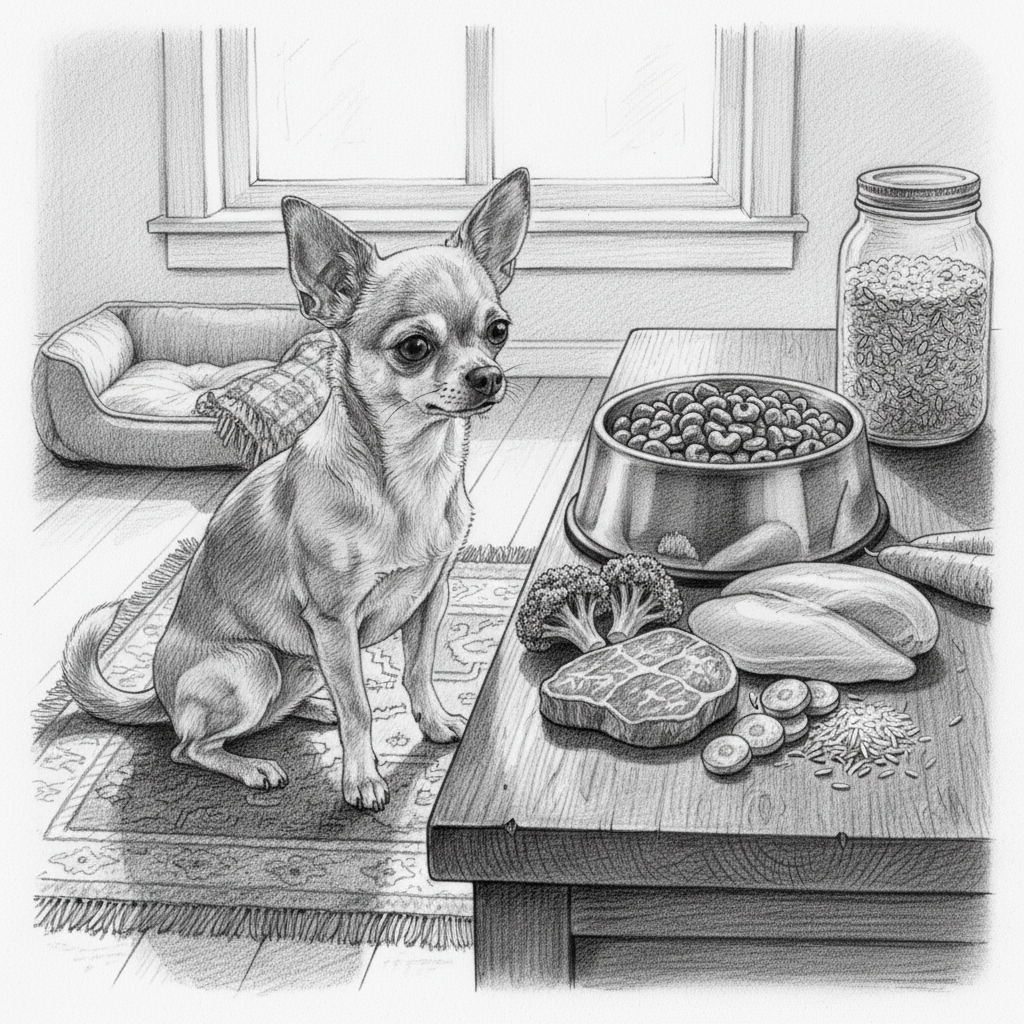
Best Dog Food for Chihuahuas in 2026: Complete Nutrition Guide
Bringing a Chihuahua into your life is an absolute joy. These pint-sized pups, with their big personalities and even bigger hearts, quickly become cherished family members. But just like any dog, their health and happiness start with what's in their bowl. Choosing the best dog food for Chihuahuas can feel like a daunting task, especially with so many options on the market. You want to ensure your tiny friend gets all the nutrients they need to thrive, from their playful puppy days to their golden senior years.
At Graze the Animals, we understand that every dog is unique, and Chihuahuas, with their specific breed characteristics, have distinct dietary requirements. This comprehensive guide will walk you through everything you need to know to make an informed decision about your Chihuahua's diet in 2026, ensuring they receive optimal nutrition for a long, healthy, and happy life.
Key Takeaways
- Small Breed Specifics: Chihuahuas need dog food formulated for small breeds, with appropriately sized kibble and higher calorie density per serving.
- Protein is Paramount: Look for high-quality animal protein as the first ingredient to support their lean muscle mass and energy levels.
- Healthy Fats for Energy & Coat: Essential fatty acids, especially omega-3s, are crucial for skin, coat, and brain health.
- Carbohydrates for Sustained Energy: Complex carbohydrates provide steady energy without causing blood sugar spikes.
- Dental Health Focus: Small breeds are prone to dental issues; consider kibble size and texture that encourages chewing to help clean teeth.
- Portion Control is Key: Chihuahuas are prone to obesity; precise portioning based on activity level and age is vital.
- Common Health Concerns: Be aware of issues like patellar luxation, hypoglycemia, and dental disease, and how diet can play a supportive role.
- Avoid Harmful Ingredients: Steer clear of artificial additives, excessive fillers, and common allergens if your dog is sensitive.
- Consult Your Vet: Always discuss dietary changes or concerns with your veterinarian.
- Personalized Recommendations: For the most tailored advice, use our recommendation quiz [blocked].
Understanding Your Chihuahua's Unique Nutritional Needs
Chihuahuas aren't just small dogs; they're a breed with specific physiological traits that influence their dietary requirements. Their tiny stature means they have a faster metabolism than larger breeds, burning through calories more quickly. This translates to a need for calorie-dense food packed with nutrients.
High Metabolism, High Energy
Despite their size, Chihuahuas are often bundles of energy. Their small bodies have a higher surface area to volume ratio, meaning they lose heat faster and need more energy to maintain body temperature. This rapid metabolism requires a diet that provides sufficient calories and easily digestible nutrients to keep them fueled throughout the day without overfeeding.
Small Mouths, Dental Challenges
One of the most significant considerations for Chihuahuas is their dental health. Their small mouths can lead to overcrowding of teeth, making them highly susceptible to periodontal disease. The type, size, and texture of their food can play a role in maintaining oral hygiene. Smaller kibble is essential for them to chew comfortably, and some formulations are designed to help reduce plaque and tartar buildup.
Susceptibility to Hypoglycemia
Especially in puppies and very tiny adults, Chihuahuas can be prone to hypoglycemia (low blood sugar). This is due to their small liver size, which has limited glycogen stores. Regular, small meals of a high-quality, balanced diet are crucial to maintain stable blood sugar levels and prevent these dangerous drops.
Joint Health Concerns
Like many small breeds, Chihuahuas can be prone to patellar luxation (dislocated kneecap). While genetics play a primary role, maintaining a healthy weight through proper nutrition can significantly reduce stress on their joints and potentially mitigate the severity of this condition. Ingredients like glucosamine and chondroitin, though not a cure, can support joint health.
Essential Nutrients for Your Chihuahua
When evaluating the best dog food for Chihuahuas, we focus on a balanced blend of macronutrients (protein, fats, carbohydrates) and micronutrients (vitamins, minerals) tailored to their unique needs.
1. High-Quality Protein
Protein is the cornerstone of any dog's diet, and Chihuahuas are no exception. It's essential for building and repairing tissues, supporting muscle mass, producing enzymes and hormones, and providing energy. For Chihuahuas, we recommend dog foods where a named animal protein source (like chicken, turkey, lamb, or salmon) is the first ingredient. Look for lean protein sources to support their active lifestyle without contributing to excess weight.
- Why it matters: Supports lean muscle, healthy immune system, and overall vitality.
- What to look for: Chicken meal, lamb meal, fish meal, deboned chicken, turkey, salmon.
2. Healthy Fats
Fats are a concentrated source of energy, crucial for Chihuahuas' high metabolism. They also play a vital role in nutrient absorption, hormone production, and maintaining healthy skin and a shiny coat. Essential fatty acids, particularly omega-3s (EPA and DHA), are incredibly beneficial for brain development (especially in puppies), vision, and reducing inflammation.
- Why it matters: Provides sustained energy, supports skin and coat health, aids in nutrient absorption.
- What to look for: Chicken fat, salmon oil, flaxseed, sunflower oil. Avoid excessive amounts of unhealthy saturated fats.
3. Complex Carbohydrates
Carbohydrates provide readily available energy and dietary fiber. For Chihuahuas, complex carbohydrates are preferable as they release energy slowly, helping to stabilize blood sugar levels and prevent the spikes and crashes that can be problematic for small breeds prone to hypoglycemia. Fiber is also essential for digestive health and regularity.
- Why it matters: Sustained energy, digestive health, blood sugar regulation.
- What to look for: Brown rice, sweet potatoes, oats, barley, peas, lentils. Avoid excessive corn, wheat, and soy, especially if your dog has sensitivities.
4. Vitamins and Minerals
These micronutrients are vital for countless bodily functions, from bone health (calcium and phosphorus) and immune function (vitamins C and E, zinc) to energy metabolism (B vitamins). A complete and balanced dog food formulated for small breeds should contain an appropriate blend of all necessary vitamins and minerals.
- Why it matters: Supports overall health, immune system, bone density, and metabolic processes.
- What to look for: A-rated dog foods will have a balanced profile of essential vitamins and chelated minerals for better absorption.
5. Prebiotics and Probiotics
For optimal digestive health, many high-quality dog foods now include prebiotics (fibers that feed beneficial gut bacteria) and probiotics (beneficial live bacteria). A healthy gut microbiome is crucial for nutrient absorption and a strong immune system, which is important for Chihuahuas who can sometimes have sensitive stomachs.
- Why it matters: Aids digestion, supports nutrient absorption, boosts immune health.
- What to look for: Chicory root, fructooligosaccharides (FOS), dried Lactobacillus acidophilus fermentation product.
Choosing the Best Dog Food for Chihuahuas: What to Look For in 2026
Now that you understand their nutritional needs, let's dive into the practical aspects of selecting the best dog food for Chihuahuas.
Small Breed Specific Formulas
This is perhaps the most critical factor. Small breed formulas are specifically designed with Chihuahuas in mind. They typically feature:
- Smaller Kibble Size: Essential for their tiny mouths and to prevent choking.
- Higher Calorie Density: To meet their faster metabolism without requiring them to eat large volumes of food.
- Nutrient Balance: Formulated to address common small breed health concerns.
Read the Ingredient List Carefully
Always scrutinize the ingredient panel. The first few ingredients are the most abundant. Prioritize foods where:
- A named animal protein source (e.g., chicken, lamb, salmon) is the first ingredient.
- Healthy fats are present (e.g., chicken fat, salmon oil).
- Complex carbohydrates are used (e.g., sweet potato, brown rice, peas).
- Fruits and vegetables provide natural vitamins, minerals, and antioxidants.
- Avoid artificial colors, flavors, and preservatives. Natural preservatives like mixed tocopherols (Vitamin E) are preferred.
Consider Life Stage
A Chihuahua's nutritional needs change as they age. Look for formulas appropriate for their life stage:
- Puppy Formulas: Higher in calories, protein, and specific nutrients like DHA for brain development. Crucial for managing hypoglycemia risk in young Chihuahuas.
- Adult Formulas: Balanced for maintenance and energy for active adults.
- Senior Formulas: Often lower in calories to prevent obesity, with added joint support (glucosamine, chondroitin) and easily digestible ingredients.
Wet vs. Dry Food vs. Fresh/Raw
Each type of food has its pros and cons for Chihuahuas:
- Dry Kibble: Convenient, cost-effective, and can help with dental hygiene due to its abrasive texture. Ensure it's small breed specific. This is often a great choice for the best dog food for Chihuahuas due to its dental benefits and convenience.
- Wet Food: Highly palatable, excellent for hydration, and can be good for picky eaters or dogs with dental issues. However, it's often less calorie-dense and can be more expensive. It may not offer the same dental benefits as kibble.
- Mixed Feeding: Combining wet and dry food can offer the best of both worlds – the dental benefits of kibble and the palatability/hydration of wet food.
- Fresh/Raw Diets: These can be excellent if properly balanced and prepared, offering highly digestible nutrients. However, they require careful research, preparation, and often come with a higher cost and potential for bacterial contamination if not handled correctly. Always consult your vet and a veterinary nutritionist before embarking on a raw diet.
Dental Health Considerations
Given their predisposition to dental disease, choosing food that supports oral health is a smart move. Look for:
- Small, appropriately sized kibble that encourages chewing rather than just swallowing.
- Dental-specific kibble designed to mechanically scrub teeth or contain ingredients that reduce plaque.
- Regular dental check-ups and at-home dental care (brushing) remain paramount.
Managing Weight
Chihuahuas are small, and even a few extra pounds can significantly impact their health, exacerbating joint issues and increasing the risk of other diseases. Precise portion control is non-negotiable. Use a measuring cup, and adjust portions based on your dog's activity level, age, and body condition score. Consult your vet to determine your Chihuahua's ideal weight.
Potential Health Concerns and Dietary Support
While diet isn't a cure-all, it plays a supportive role in managing common Chihuahua health issues.
Hypoglycemia (Low Blood Sugar)
As mentioned, Chihuahuas, especially puppies, can be prone to this. Feeding small, frequent meals of a high-quality, complex carbohydrate-rich food can help maintain stable blood sugar. Avoid long periods without food.
Patellar Luxation
Maintaining a lean body weight is the most crucial dietary factor. Overweight Chihuahuas put undue stress on their knee joints. Some foods include ingredients like glucosamine and chondroitin, which may offer joint support, though their efficacy is debated.
Dental Disease
Beyond choosing appropriate kibble, regular dental care is essential. Consider dental treats (in moderation) and regular vet check-ups for professional cleanings.
Food Sensitivities and Allergies
Some Chihuahuas can develop sensitivities to certain ingredients, often common proteins like chicken or beef, or grains like wheat and corn. Symptoms can include itching, digestive upset, or ear infections. If you suspect an allergy, consult your vet about an elimination diet or novel protein sources (e.g., duck, venison, fish) or limited ingredient diets (LID).
Transitioning Your Chihuahua's Food
Changing your Chihuahua's food too abruptly can lead to digestive upset. Always transition gradually over 7-10 days:
- Day 1-2: 75% old food, 25% new food
- Day 3-4: 50% old food, 50% new food
- Day 5-6: 25% old food, 75% new food
- Day 7+: 100% new food
Monitor your dog for any signs of digestive upset (vomiting, diarrhea, gas). If issues arise, slow down the transition.
Our Recommendations for Finding the Best Dog Food for Chihuahuas in 2026
While we can't recommend specific brands here (as every dog's needs are unique!), we can guide you on where to look and what qualities to prioritize. When you're ready to explore options, remember to visit our food browse page [blocked] to filter by small breed, life stage, and ingredients.