
Best Dog Food for Cavalier King Charles Spaniels in 2026: Complete Nutrition Guide
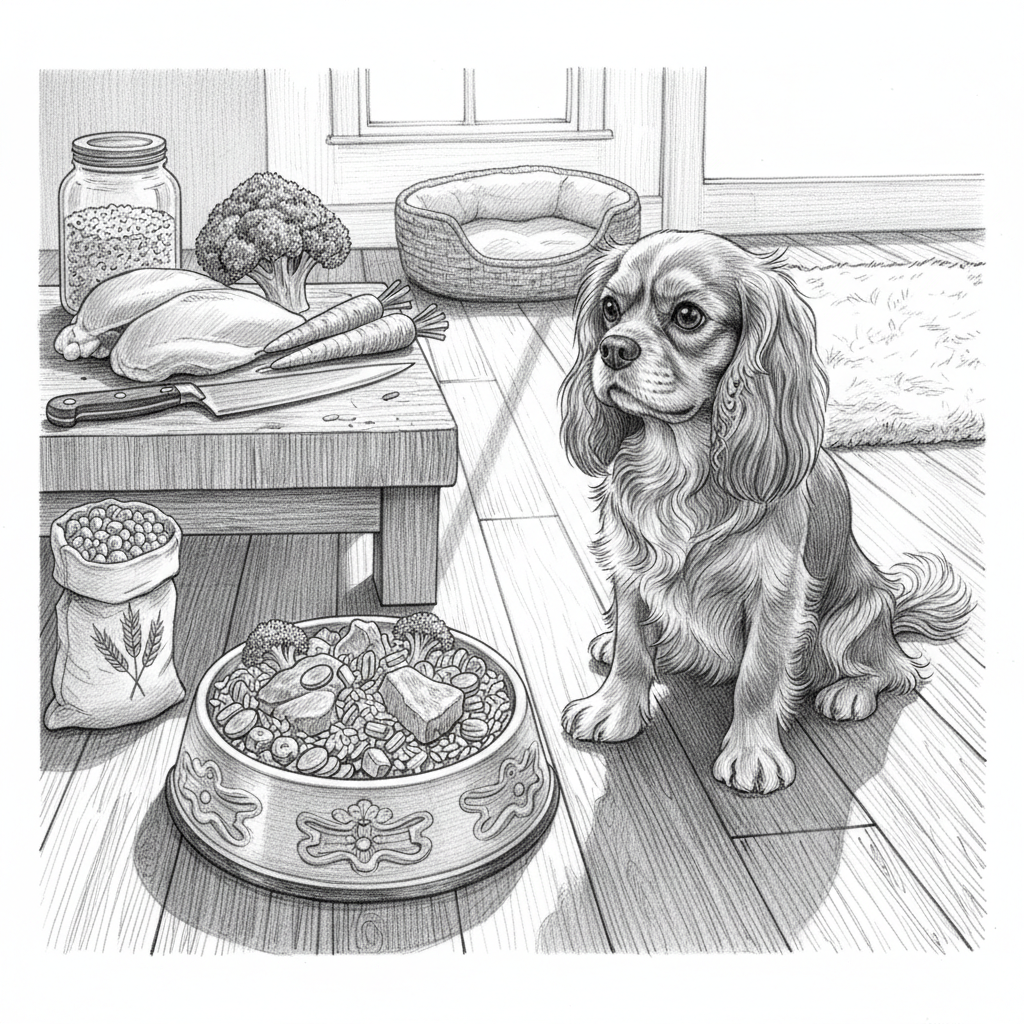
Best Dog Food for Cavalier King Charles Spaniels in 2026: Complete Nutrition Guide
As a Cavalier King Charles Spaniel parent, you know that these charming, affectionate dogs bring immense joy into our lives. With their soulful eyes and gentle nature, Cavaliers quickly become cherished family members. And just like any beloved family member, their health and happiness are paramount. A cornerstone of their well-being? Their diet. Choosing the best dog food for Cavalier King Charles Spaniels is crucial for supporting their unique needs, from their delicate hearts to their luscious coats.
At Graze the Animals, we understand that navigating the world of dog food can feel overwhelming. That's why we've put together this comprehensive guide, packed with evidence-based insights to help you make informed decisions for your Cavalier. We'll delve into their specific nutritional requirements, common health considerations, and what to look for in a high-quality dog food to ensure your furry friend thrives for years to come.
Key Takeaways
- Breed-Specific Needs: Cavaliers benefit from diets tailored to small breeds, focusing on appropriate kibble size, moderate calorie density, and nutrient profiles that support heart health and weight management.
- Heart Health Focus: Given their predisposition to Mitral Valve Disease (MVD), diets rich in Omega-3 fatty acids (EPA & DHA), taurine, and L-carnitine are highly beneficial.
- Weight Management: Cavaliers can be prone to weight gain, making portion control and calorie-appropriate food essential to prevent obesity and related health issues.
- Joint Support: Ingredients like glucosamine and chondroitin can help maintain joint health, especially as they age.
- High-Quality Ingredients: Prioritize foods with real meat as the first ingredient, wholesome grains or easily digestible carbohydrates, and beneficial fats, vitamins, and minerals.
- Avoid Fillers & Artificials: Steer clear of artificial colors, flavors, preservatives, and excessive fillers that offer little nutritional value.
- Personalized Recommendations: Every Cavalier is unique! For a truly tailored food plan, use our personalized recommendation quiz at /canine/recommend.
Understanding the Cavalier King Charles Spaniel's Unique Nutritional Profile
Cavalier King Charles Spaniels are a small, active breed, but they also have a genetic predisposition to certain health conditions that can be managed, in part, through proper nutrition. When considering the best dog food for Cavalier King Charles Spaniels, we must account for their size, activity level, and breed-specific health concerns.
Small Breed Considerations
Small breeds like Cavaliers have faster metabolisms than larger dogs, meaning they require more calories per pound of body weight. However, they also have smaller stomachs, so their food needs to be nutrient-dense and easily digestible. The kibble size is also a critical factor – it should be small enough for their tiny mouths to chew comfortably, promoting good dental hygiene and preventing choking hazards.
Activity Level and Energy Needs
Cavaliers are generally moderately active. They love walks, playtime, and cuddling on the couch. Their energy needs are typically not as high as, say, a working breed, but they do need consistent energy to fuel their daily activities. Overfeeding, even slightly, can quickly lead to weight gain due to their smaller size and moderate activity levels.
Common Health Concerns and Dietary Support
This is where nutrition truly shines as a preventative and supportive tool. Cavaliers are unfortunately prone to several hereditary conditions. While diet can't cure these, it can certainly help manage symptoms and support overall health.
Heart Health: Mitral Valve Disease (MVD)
Perhaps the most well-known health issue in Cavaliers is Mitral Valve Disease (MVD), a progressive heart condition. While genetics play a primary role, nutrition can offer significant support.
- Omega-3 Fatty Acids (EPA & DHA): Found in fish oil, these are powerful anti-inflammatories that can help support cardiovascular function. Look for foods supplemented with fish oil or consider a high-quality supplement after consulting your vet.
- Taurine and L-Carnitine: These amino acids are vital for heart muscle function. While most commercial dog foods are formulated with adequate levels, some breeds, including Cavaliers, may benefit from higher amounts, especially if there's a concern for dilated cardiomyopathy (though MVD is more common, heart support is generally beneficial).
- Sodium Control: For Cavaliers already diagnosed with heart disease, your veterinarian may recommend a diet with controlled sodium levels to help manage fluid retention.
Weight Management
Cavaliers are adorable, and it's easy to overindulge them with treats and extra food. However, obesity significantly worsens MVD and contributes to joint problems, diabetes, and a decreased quality of life. The best dog food for Cavalier King Charles Spaniels will have a balanced calorie count appropriate for their size and activity level.
- Moderate Fat and Calorie Content: Choose foods that provide sufficient energy without being excessively calorie-dense.